Desert Plumbing Insights
Expert plumbing advice tailored for Tucson's unique climate and environment
Living in Tucson means learning to adapt to heat. Summer temperatures routinely climb past what many parts of the country ever experience, and daily life slowly adjusts around it. Homes are built to stay cool, routines shift to early mornings or late evenings, and water becomes one of the most valuable resources in the household.
What many homeowners don't realize is that while roofs, walls, and air conditioning systems are designed with desert conditions in mind, plumbing systems often suffer silently. Pipes, fittings, and seals experience stresses that aren't always obvious at first, and by the time a problem becomes visible, damage has often been developing for years.
Tucson averages over 100°F for 70+ days per year, with ground temperatures reaching 150°F+ in direct sun. This extreme heat accelerates wear on plumbing materials not designed for such conditions.
Understanding how Tucson's climate affects plumbing is one of the most effective ways to prevent costly repairs and unexpected failures.
How Tucson Homes Are Typically Built
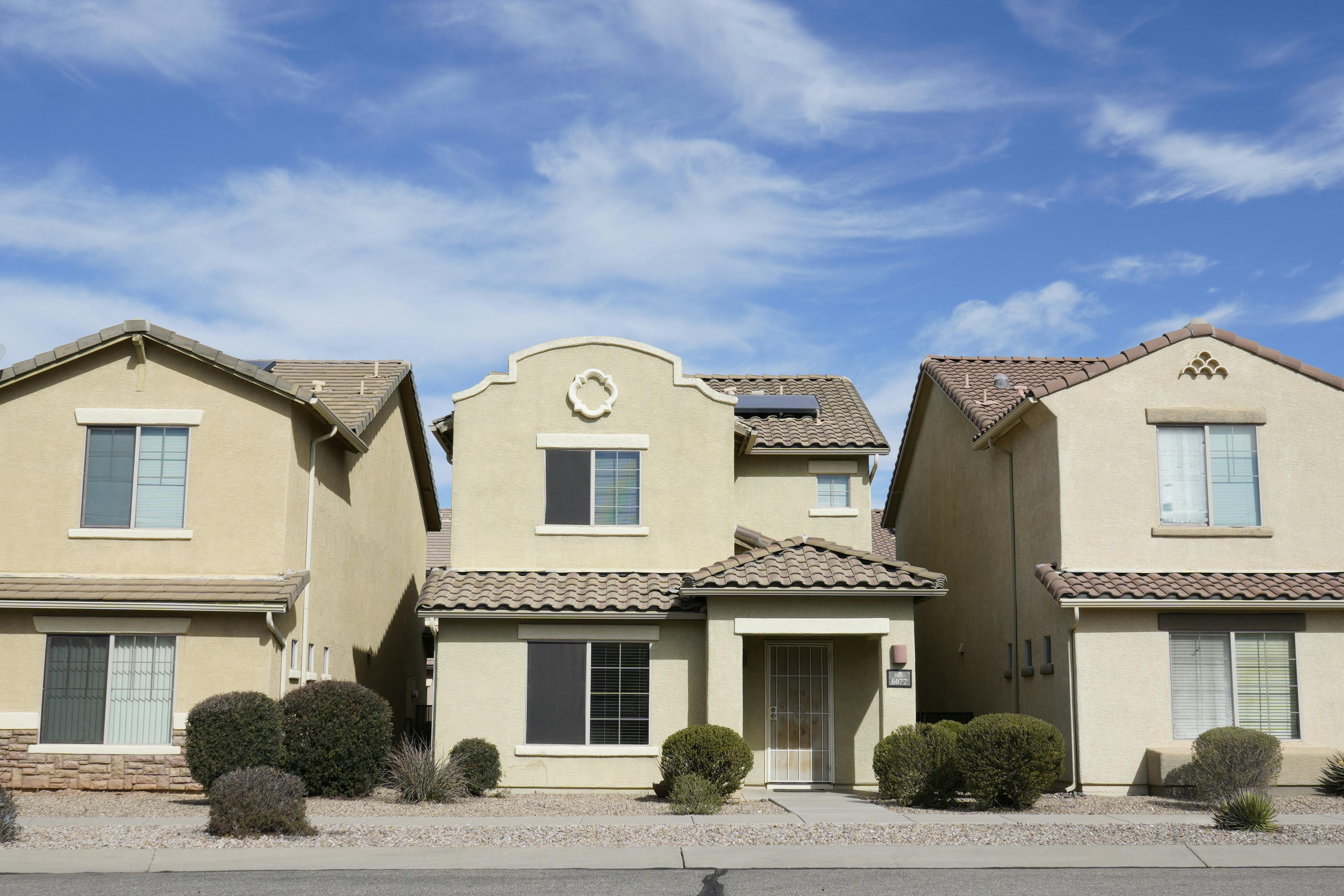
Most residential homes in Tucson are constructed on concrete slab foundations. Unlike regions where basements are common, plumbing lines here often run through or beneath slabs and enter homes at relatively shallow depths. This design makes sense for desert soil and seismic considerations, but it also exposes pipes to significant temperature fluctuations.
Older homes may still contain materials that were common decades ago, while newer developments often use modern plastics and composite piping. Regardless of age, nearly all Tucson homes share a key feature: plumbing systems that must operate in an environment of intense heat, low humidity, and highly compacted soil.
Because pipes are not deeply buried, they are more directly influenced by surface temperatures. Over time, this constant exposure plays a major role in how plumbing systems age.
What Extreme Heat Does to Pipes Over Time
Heat affects plumbing in ways that are gradual rather than dramatic. Pipes expand when temperatures rise and contract as they cool, a natural physical process. In Tucson, however, this expansion and contraction happens daily for much of the year, not just seasonally.
Over time, repeated movement places stress on joints, connectors, and seals. Even durable materials eventually fatigue under constant pressure changes. Rubber components can dry out faster, and metal fittings may experience accelerated wear.
Another often-overlooked factor is water temperature itself. Incoming water can become significantly warmer during extended heat waves, changing internal pressure dynamics and affecting appliances designed for cooler supply water.
Early Warning Signs Tucson Homeowners Often Miss
Because heat-related plumbing damage is gradual, the warning signs are easy to dismiss. Many homeowners assume small changes are normal or temporary, especially during the hottest months.
- Subtle pressure drops during peak heat hours
- Faint metallic or plastic smell when using hot water
- Inconsistent hot water performance despite normal heater function
- Small cracks near pipe entry points in slab foundations
- Unexplained warm spots on flooring above pipes
In slab homes, small cracks near pipe entry points or unexplained warm spots on flooring may appear long before an actual leak is detected. These signs are rarely dramatic, which is why they're so often ignored.
Why DIY Fixes Often Fail in Desert Conditions
Many plumbing repair products are designed for moderate climates. Sealants, tapes, and adhesives that perform well elsewhere may behave differently when exposed to extreme heat and low humidity.
In Tucson, materials can cure too quickly, dry out prematurely, or lose flexibility faster than expected. Temporary fixes that seem effective at first may fail after repeated heat cycles, especially during long summer stretches.
How Plumbing Professionals Adapt Repairs in Tucson
Experienced plumbers working in desert environments approach repairs differently. Material selection becomes more important, with an emphasis on components that tolerate high temperatures and constant expansion.
Local plumbers often schedule pipe repairs for early morning hours during summer months. Cooler temperatures allow for better sealing and curing of materials before the day's heat sets in.
Installation techniques often account for movement, allowing pipes room to expand without stressing joints. Repair timing can also matter, as certain work is best performed during cooler parts of the day to ensure proper sealing and curing.
Long-Term Prevention for Desert Homes
Preventing heat-related plumbing issues in Tucson is less about major upgrades and more about awareness and consistency. Simple measures such as monitoring water pressure, ensuring exposed pipes are shaded where possible, and scheduling periodic inspections can significantly extend system life.
Water conservation practices also help. Reduced strain on the system means fewer pressure fluctuations and less overall wear. In desert environments, conservation and durability often go hand in hand.
A Quiet Reality of Living in the Desert
Tucson's climate shapes nearly every aspect of daily life, including systems we rarely think about until something goes wrong. Plumbing doesn't usually fail overnight here. It changes slowly, responding to heat in ways that are easy to overlook.
By understanding how extreme temperatures influence pipes, seals, and pressure, homeowners gain a valuable advantage. Awareness allows problems to be addressed earlier, repairs to last longer, and systems to function more reliably in one of the most demanding environments in the country.
In the desert, prevention isn't about urgency — it's about understanding.